Units 155 – 158, 17th Floor, No. 1, Skyport Tower, Hurriyet Blvd., Yakuplu District, Beylikduzu County, Istanbul 34524 - Turkiye (former Turkey)
 TR
TR
 AR
AR
 RU
RU
 FA
FA

Communication methods
Units 155 – 158, 17th Floor, No. 1, Skyport Tower, Hurriyet Blvd., Yakuplu District, Beylikduzu County, Istanbul 34524 - Turkiye (former Turkey)
08504712222
info@adlimgostar.com.tr
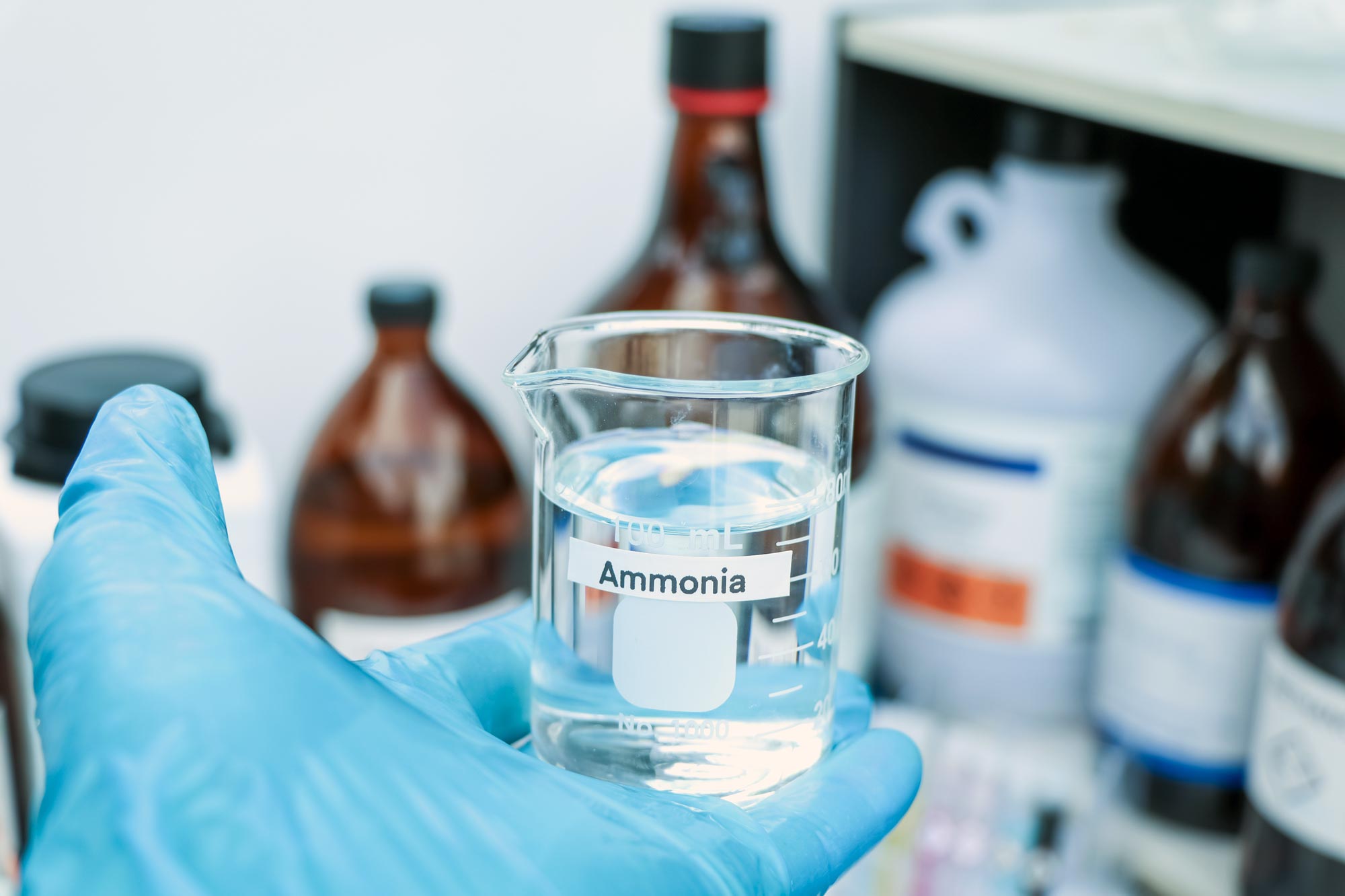
Ammonia (NH₃) is a colorless, pungent gas that is composed of nitrogen and hydrogen. It is one of the most important industrial chemicals and plays a crucial role in a wide range of applications. Ammonia is produced synthetically through the Haber-Bosch process, where nitrogen from the air is reacted with hydrogen, often derived from natural gas, under high pressure and temperature.
Ammonia is commonly used as a building block for the production of fertilizers, chemicals, and other industrial products. It also has applications in refrigeration and as a raw material in the production of various polymers and specialty chemicals.
Key Advantages of Ammonia
- Efficiency in Fertilizer Production: Ammonia is the foundation for producing nitrogen fertilizers, which are crucial for global food production.
- Versatile Chemical: Ammonia is a key raw material for many important chemicals used in a range of industries, including agriculture, automotive, and pharmaceuticals.
- Energy Efficiency: Ammonia is used as a refrigerant in industrial refrigeration systems due to its high energy efficiency and low environmental impact compared to other refrigerants.
- Environmental Benefits: When used in fertilizers, ammonia promotes sustainable agricultural practices and increases crop yields.
Limitations of Ammonia
- Toxicity and Hazardous: Ammonia is toxic when inhaled, and exposure to concentrated ammonia can cause serious health issues. It is also corrosive to metals and living tissues.
- Environmental Impact: Improper handling or leakage of ammonia can lead to environmental pollution, particularly in aquatic ecosystems.
- Storage and Transportation: Ammonia must be stored and transported with care, as it is a hazardous material. Special equipment is required to handle and contain ammonia safely.
Conclusion
Ammonia is a cornerstone of modern agriculture, the chemical industry, and several other sectors, thanks to its role as a key raw material for fertilizers, explosives, and various chemicals. It exists in multiple subgrades, including anhydrous ammonia, aqueous ammonia, ammonium nitrate, and ammonium sulfate, each suited to specific applications. While ammonia offers significant industrial and environmental benefits, its hazardous nature requires careful handling and regulation to minimize risks to both human health and the environment. As a vital chemical in multiple industries, ammonia's role in sustaining agricultural productivity and industrial growth remains indispensable.