Units 155 – 158, 17th Floor, No. 1, Skyport Tower, Hurriyet Blvd., Yakuplu District, Beylikduzu County, Istanbul 34524 - Turkiye (former Turkey)
 TR
TR
 AR
AR
 RU
RU
 FA
FA

Communication methods
Units 155 – 158, 17th Floor, No. 1, Skyport Tower, Hurriyet Blvd., Yakuplu District, Beylikduzu County, Istanbul 34524 - Turkiye (former Turkey)
08504712222
info@adlimgostar.com.tr
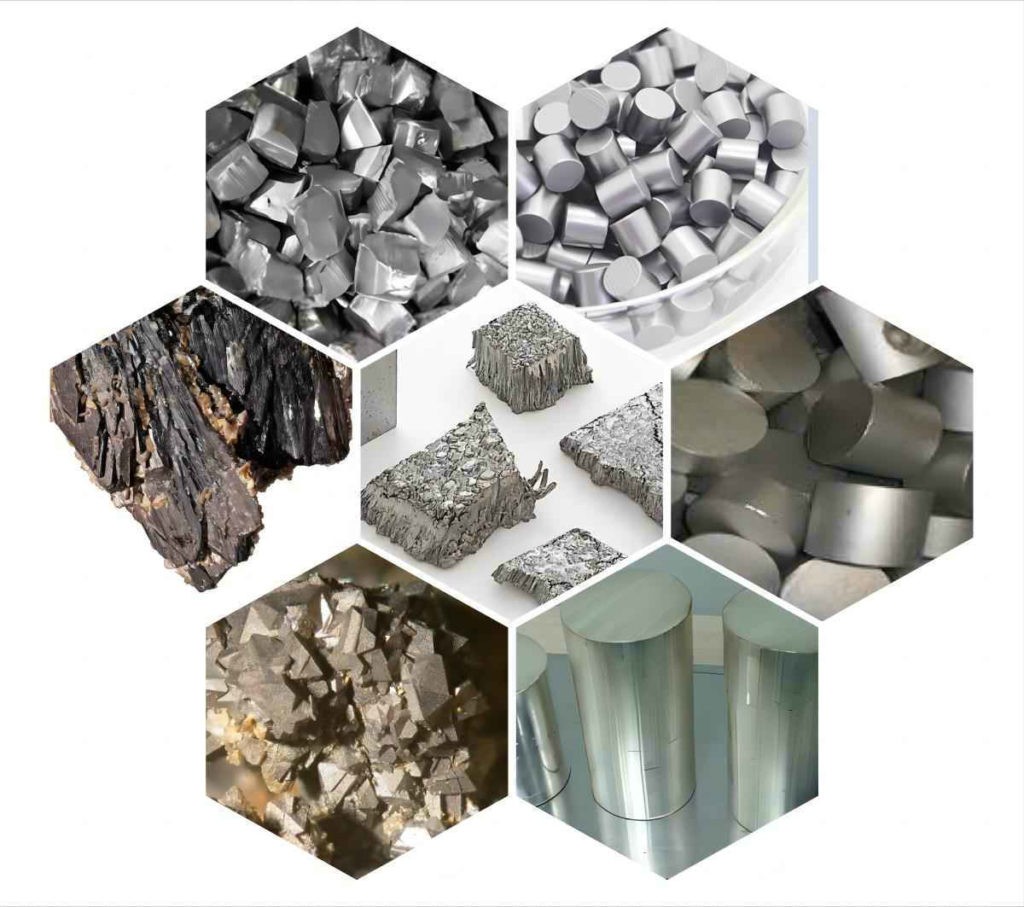
Non-Ferrous Metals
Introduction: What Are Non-Ferrous Metals?
Non-ferrous metals are metals that do not contain significant amounts of iron (Fe) in their composition.
Unlike ferrous metals (which mainly consist of iron and are typically magnetic), non-ferrous metals are known for:
- Resistance to corrosion
- Lightweight properties
- High conductivity (thermal and electrical)
- Non-magnetic behavior
- High ductility and malleability
Because of these properties, non-ferrous metals are critical in sectors where strength, conductivity, weight, and corrosion resistance are decisive.
Historical Background
Non-ferrous metals have been used by human civilization for thousands of years.
- Copper: One of the first metals ever used (around 9000 BC), ushering the Copper Age.
- Bronze: An alloy of copper and tin, defining the Bronze Age.
- Gold and Silver: Used since ancient times for ornaments, trade, and coinage.
- Aluminum: Once considered more valuable than gold until electrolysis made its production economical in the 19th century.
Today, non-ferrous metals play a vital role in technological advancements, energy systems, automotive, aerospace, construction, electronics, and countless industries.
Applications of Non-Ferrous Metals
Main sectors using non-ferrous metals:
|
Sector |
Example Applications |
|
Construction |
Roofing, cladding, window frames, pipes |
|
Automotive & Aerospace |
Aircraft bodies, car engines, wiring |
|
Electrical & Electronics |
Cables, circuits, connectors, batteries |
|
Packaging |
Cans, foils, containers (mainly aluminum) |
|
Jewelry and Art |
Gold, silver, platinum applications |
|
Energy & Renewables |
Solar panels (copper, aluminum), batteries (lithium, nickel) |
|
Marine Engineering |
Ships, submarines (copper-nickel alloys) |
Major Types of Non-Ferrous Metals
(A) Primary Non-Ferrous Metals:
|
Metal |
Description |
Key Properties |
|
Aluminum (Al) |
Lightweight, corrosion-resistant, highly recyclable |
High conductivity, low density |
|
Copper (Cu) |
Excellent electrical conductivity |
High ductility, corrosion resistance |
|
Lead (Pb) |
Dense, malleable, corrosion-resistant |
Radiation shielding, battery production |
|
Zinc (Zn) |
Used mainly for galvanizing steel |
Corrosion protection, alloying |
|
Nickel (Ni) |
Strong, corrosion and heat-resistant |
Used in stainless steel and batteries |
|
Tin (Sn) |
Soft, malleable, low melting point |
Coatings, soldering |
(B) Precious Non-Ferrous Metals:
|
Metal |
Uses |
|
Gold (Au) |
Jewelry, electronics, finance |
|
Silver (Ag) |
Jewelry, electronics, photography |
|
Platinum (Pt) |
Catalysts, jewelry, industrial processes |
|
Palladium (Pd) |
Catalytic converters, electronics |
(C) Specialty and Minor Non-Ferrous Metals:
- Titanium (Ti): Aerospace, medical implants
- Lithium (Li): Batteries (especially EVs)
- Cobalt (Co): Battery production, alloys
- Magnesium (Mg): Lightweight alloys
- Tantalum, Niobium, Indium, Antimony, etc.: Specialized industries
Differences Between Non-Ferrous and Ferrous Metals
|
Aspect |
Non-Ferrous Metals |
Ferrous Metals |
|
Iron Content |
Low or none |
High (major component) |
|
Magnetic |
Generally non-magnetic |
Typically magnetic |
|
Corrosion |
Highly resistant (natural or alloyed) |
More prone to rust without protection |
|
Weight |
Lighter |
Heavier |
|
Conductivity |
Higher (especially Copper, Aluminum) |
Lower (except specialized steels) |
|
Examples |
Copper, Aluminum, Lead, Titanium |
Steel, Cast Iron, Wrought Iron |
Chemical and Physical Characteristics
General Properties of Non-Ferrous Metals:
|
Property |
Description |
|
Corrosion Resistance |
Naturally high or enhanced via alloys |
|
Conductivity |
Excellent thermal and electrical properties (especially Cu, Al, Ag) |
|
Malleability and Ductility |
Can be drawn into wires, sheets easily |
|
Density |
Typically lower than ferrous metals |
|
Non-magnetic |
Ideal for electronic and specialized applications |
|
Melting Points |
Vary widely (e.g., Al: 660°C, Cu: 1085°C, Pb: 327°C) |
Typical Chemical Specifications (Examples)
|
Metal |
Purity Grades Available |
|
Aluminum |
99.7% - 99.99% (commercial and high-purity) |
|
Copper |
99.9% min (Grade A Cathodes) |
|
Lead |
99.97% - 99.99% (battery and radiation grades) |
|
Zinc |
98% - 99.995% (SHG – Special High Grade) |
|
Nickel |
99.5% - 99.99% pure (electrolytic grade) |
Common Alloying Elements:
- Aluminum alloys: Silicon, Magnesium, Zinc
- Copper alloys: Tin (Bronze), Zinc (Brass)
International Standards for Non-Ferrous Metals
(A) ISO Standards:
- ISO 6361: Wrought aluminum and aluminum alloy sheets
- ISO 11949: Copper cathodes
- ISO 23161: Lead and lead alloy products
- ISO 752: Zinc ingots
- ISO 6208: High-purity nickel
(B) ASTM Standards (American Society for Testing and Materials):
- ASTM B209: Aluminum and aluminum-alloy sheets and plates
- ASTM B115: Electrolytic copper cathodes
- ASTM B29: Refined lead products
- ASTM B6: Zinc
- ASTM B39: Rolled nickel
(C) Other Certifications:
- REACH Compliance (EU Chemicals Regulation)
- RoHS Compliance (Restriction of Hazardous Substances)
- LME (London Metal Exchange) Specifications for traded non-ferrous metals
Environmental Considerations
- Recyclability:
Non-ferrous metals are highly recyclable without losing quality — aluminum, copper, and lead recycling rates are particularly high. - Energy Savings:
Recycling non-ferrous metals saves up to 95% of the energy compared to primary production. - Circular Economy Role:
Non-ferrous metals are integral to sustainable material management systems globally.
Why Choose Our Non-Ferrous Metals?
- Sourced from top global producers
- Full compliance with LME, ISO, ASTM standards
- High-purity grades and reliable quality control
- Customizable packaging and delivery options
- Competitive pricing for bulk and long-term contracts
- Commitment to sustainability and circular economy practices