Units 155 – 158, 17th Floor, No. 1, Skyport Tower, Hurriyet Blvd., Yakuplu District, Beylikduzu County, Istanbul 34524 - Turkiye (former Turkey)
 TR
TR
 AR
AR
 RU
RU
 FA
FA
Communication methods
Units 155 – 158, 17th Floor, No. 1, Skyport Tower, Hurriyet Blvd., Yakuplu District, Beylikduzu County, Istanbul 34524 - Turkiye (former Turkey)
08504712222
info@adlimgostar.com.tr
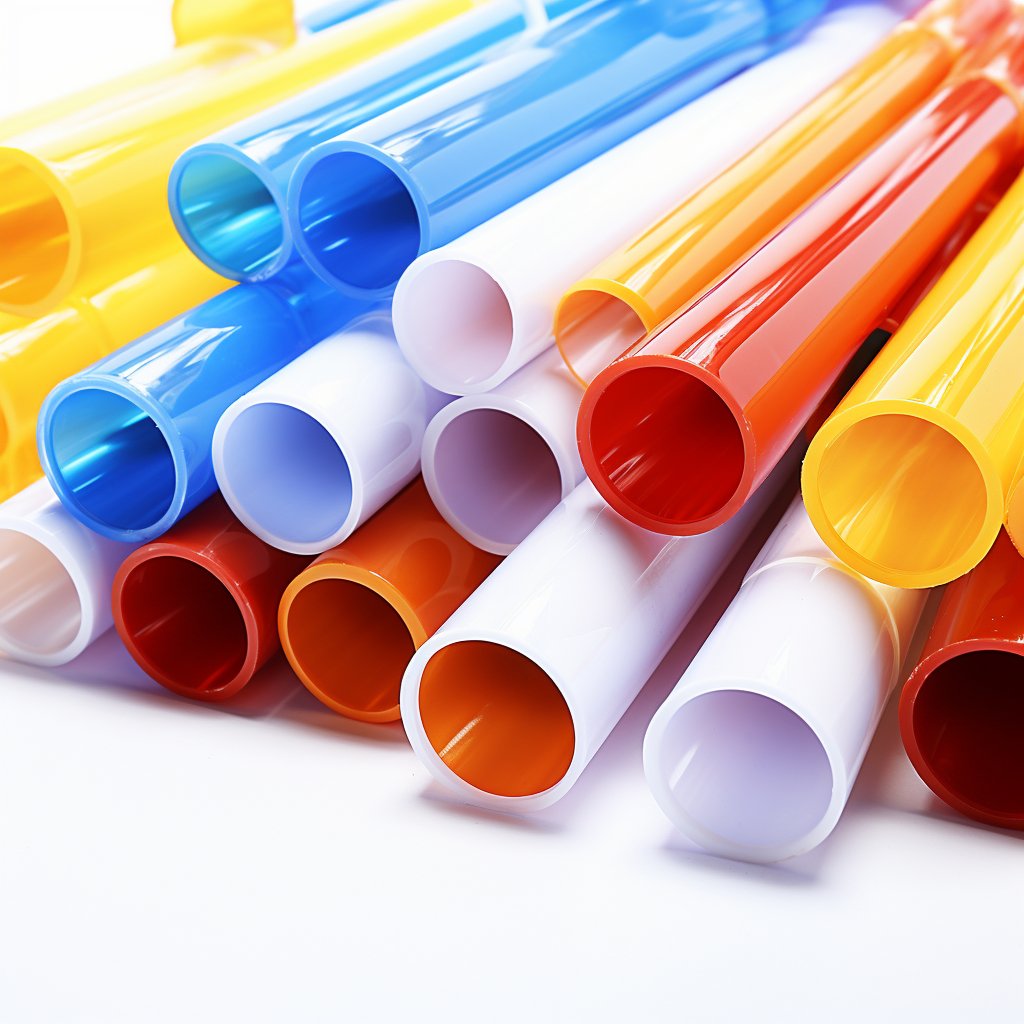
Polyvinyl Chloride (PVC) is one of the most commonly used synthetic polymers globally, produced from the polymerization of vinyl chloride monomers. Known for its versatility, cost-effectiveness, and durability, PVC is used across a wide range of industries, from construction to healthcare and consumer products. PVC is available in two primary forms: rigid and flexible, each with various subgrades tailored for specific applications.
Subgrades of Polyvinyl Chloride (PVC) and Their Applications
1. Rigid PVC (uPVC)
- Characteristics:
- Unplasticized Polyvinyl Chloride (uPVC) is a stiff, strong, and durable form of PVC.
- Resistant to impact, UV radiation, and most chemicals.
- Does not require plasticizers, making it naturally rigid and hard.
- Applications:
- Construction: Pipes, fittings, and profiles for windows and doors.
- Automotive: Trim and underbody components.
- Electrical: Insulation for electrical cables and conduits.
- Packaging: Rigid containers and bottles for pharmaceuticals and food.
2. Flexible PVC (FPVC)
- Characteristics:
- Flexible PVC is softened by the addition of plasticizers, making it more pliable and bendable.
- Exhibits better flexibility and elasticity compared to rigid PVC.
- Good chemical resistance but less durable than rigid PVC.
- Applications:
- Plumbing: Flexible hoses and tubing, particularly for medical applications.
- Electrical: Flexible cable insulation and wiring.
- Packaging: Films, shrink wraps, and flexible bottles.
- Medical: IV bags, tubing, and gloves.
- Consumer Goods: Flooring, upholstery, and wallpapers.
3. Chlorinated PVC (CPVC)
- Characteristics:
- CPVC is a modified form of PVC where chlorine is added, increasing its resistance to heat and chemicals.
- Higher thermal stability and greater impact resistance than uPVC.
- Suitable for higher-temperature applications.
- Applications:
- Plumbing: Hot and cold water pipes, particularly in industrial and residential plumbing.
- Industrial: Chemical processing equipment, and tanks for corrosive substances.
- Fire Protection: Sprinkler systems due to its higher temperature resistance.
4. High-Impact Polystyrene PVC (HIPS PVC)
- Characteristics:
- A blend of PVC and high-impact polystyrene (HIPS), which enhances the impact resistance of PVC.
- Excellent processing characteristics, good chemical resistance, and durability.
- Provides better mechanical properties compared to regular rigid PVC.
- Applications:
- Packaging: Durable packaging for electronics and consumer goods.
- Construction: Window profiles, doors, and decorative trims.
- Automotive: Interior parts like dashboards and trim.
- Electrical: Electrical enclosures and connectors.
5. Expanded PVC (ePVC)
- Characteristics:
- Expanded PVC is a lightweight, foamed version of PVC, offering excellent insulation properties and impact resistance.
- It is lighter and more flexible compared to rigid PVC, and it can be processed easily into a variety of shapes.
- Applications:
- Signage: Outdoor and indoor signs, displays, and graphics.
- Packaging: Protective packaging for fragile items.
- Construction: Insulating boards, false ceilings, and wall cladding.
- Advertising: Billboards and point-of-sale display products.
6. Plasticized PVC (pPVC)
- Characteristics:
- Softened PVC by the addition of plasticizers, allowing greater flexibility and elasticity.
- Commonly used for applications that require high bendability and soft touch.
- Applications:
- Automotive: Seat covers, door trims, and upholstery.
- Textiles: Fabrics and synthetic leather.
- Consumer Goods: Toys, raincoats, and flooring.
- Medical: Medical tubing, bags, and soft medical devices.
7. PVC-O (Oriented PVC)
- Characteristics:
- A highly durable and strong form of PVC, achieved by an orientation process that aligns the polymer structure.
- Increased tensile strength and pressure resistance compared to standard PVC.
- Applications:
- Plumbing: High-pressure pipes and fittings used in water, gas, and sewage systems.
- Construction: Structural applications where higher strength is required.
- Water Distribution: Pipes and systems for drinking water and industrial uses.
Key Advantages of Polyvinyl Chloride (PVC)
- Cost-Effective: One of the most affordable plastic materials on the market.
- Durability: Highly resistant to weathering, chemicals, and abrasion.
- Versatility: Can be adapted for a wide range of applications by modifying its structure and plasticizers.
- Ease of Processing: PVC is easy to process using extrusion, molding, and thermoforming methods.
- Recyclability: PVC can be recycled, reducing its environmental impact when managed correctly.
Limitations of PVC
- Environmental Concerns: PVC, particularly its production and disposal, can release toxic chemicals.
- Brittleness: Can become brittle under certain conditions, especially when exposed to UV radiation.
- Plasticizers: Flexible PVC may leach harmful plasticizers over time.
Conclusion
Polyvinyl Chloride (PVC) remains one of the most versatile and widely used materials across the globe. Its various subgrades, ranging from rigid and flexible forms to specialized types like CPVC and expanded PVC, allow it to be adapted for a broad spectrum of applications. With its cost-efficiency, ease of processing, and durable properties, PVC is essential in industries such as construction, healthcare, packaging, and automotive. Understanding the different grades of PVC enables manufacturers to choose the optimal material for specific needs, balancing performance, cost, and environmental considerations.