Units 155 – 158, 17th Floor, No. 1, Skyport Tower, Hurriyet Blvd., Yakuplu District, Beylikduzu County, Istanbul 34524 - Turkiye (former Turkey)
 TR
TR
 AR
AR
 RU
RU
 FA
FA

Communication methods
Units 155 – 158, 17th Floor, No. 1, Skyport Tower, Hurriyet Blvd., Yakuplu District, Beylikduzu County, Istanbul 34524 - Turkiye (former Turkey)
08504712222
info@adlimgostar.com.tr
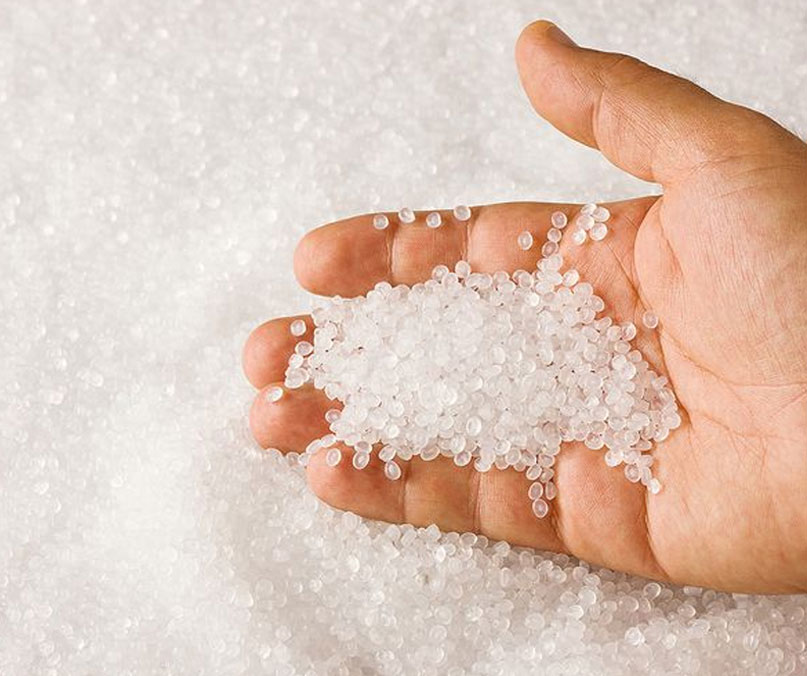
Polypropylene (PP) is a versatile thermoplastic polymer derived from the polymerization of propylene monomers. Known for its excellent chemical resistance, high melting point, and cost-effectiveness, PP is widely used across various industries, including packaging, automotive, textiles, and consumer goods. Its ability to be modified into different subgrades enhances its applicability for diverse purposes.
Subgrades of Polypropylene and Their Applications
1. Homopolymer Polypropylene (PP-H)
- Characteristics: High strength, stiffness, and chemical resistance with a relatively high melting point. Less impact-resistant at low temperatures.
- Applications:
- Packaging: Food containers, bottle caps, and thermoformed products.
- Industrial: Pipes, sheets, and fittings for chemical processing.
- Textiles: Woven sacks, ropes, and carpet fibers.
- Household Goods: Storage boxes, chairs, and toys.
2. Copolymer Polypropylene (PP-C)
a. Random Copolymer (PP-R):
- Characteristics: Enhanced clarity and flexibility due to the incorporation of ethylene. Lower melting point than homopolymer.
- Applications:
- Packaging: Clear containers, medical packaging, and films.
- Piping: Hot and cold water pipes due to improved impact resistance.
- Medical: Syringes, lab equipment, and sterilizable products.
b. Block Copolymer (PP-B):
- Characteristics: High impact strength, especially at low temperatures, due to block segments of ethylene.
- Applications:
- Automotive: Battery cases, bumpers, and dashboards.
- Industrial: Storage tanks, crates, and pallets.
- Packaging: Durable containers and industrial films.
3. Expanded Polypropylene (EPP)
- Characteristics: Lightweight, excellent energy absorption, and impact resistance.
- Applications:
- Automotive: Bumpers, interior parts, and crash pads.
- Packaging: Protective packaging for electronics and appliances.
- Construction: Insulation panels and lightweight fillers.
4. Polypropylene Random Copolymer (PP-RCT)
- Characteristics: Enhanced pressure and temperature resistance, making it suitable for piping systems.
- Applications:
- Plumbing: Hot and cold water supply systems.
- Industrial: Chemical transport pipes.
- Heating: Underfloor heating systems and radiator connections.
5. Polypropylene Impact Copolymer (ICP)
- Characteristics: Combines the strength of homopolymer and the flexibility of copolymer, providing excellent impact resistance.
- Applications:
- Automotive: Door panels, consoles, and trim parts.
- Industrial: Crates, containers, and pallets.
- Consumer Goods: Luggage, toys, and sports equipment.
6. High Crystallinity Polypropylene (HCPP)
- Characteristics: High stiffness, clarity, and good barrier properties with enhanced heat resistance.
- Applications:
- Packaging: Transparent containers, food trays, and films.
- Medical: Sterilizable medical devices and syringes.
- Industrial: Capacitor films and textile fibers.
7. Polypropylene Glass-Filled (PP-GF)
- Characteristics: Reinforced with glass fibers for increased stiffness and dimensional stability.
- Applications:
- Automotive: Engine covers, fan blades, and structural components.
- Electrical: Enclosures and housings.
- Industrial: High-performance parts and assemblies.
Key Advantages of Polypropylene
- High Chemical Resistance: Inert to most acids, alkalis, and solvents.
- Moisture Resistance: Does not absorb water, making it ideal for marine and packaging applications.
- Thermal Resistance: High melting point, suitable for hot-fill applications.
- Recyclability: 100% recyclable, contributing to sustainable manufacturing.
Conclusion
Polypropylene’s adaptability through various subgrades makes it an indispensable material for numerous industries. By choosing the appropriate grade, manufacturers can optimize performance characteristics such as impact resistance, chemical resistance, and thermal stability to meet specific application requirements efficiently.