Units 155 – 158, 17th Floor, No. 1, Skyport Tower, Hurriyet Blvd., Yakuplu District, Beylikduzu County, Istanbul 34524 - Turkiye (former Turkey)
 TR
TR
 AR
AR
 RU
RU
 FA
FA

Communication methods
Units 155 – 158, 17th Floor, No. 1, Skyport Tower, Hurriyet Blvd., Yakuplu District, Beylikduzu County, Istanbul 34524 - Turkiye (former Turkey)
08504712222
info@adlimgostar.com.tr
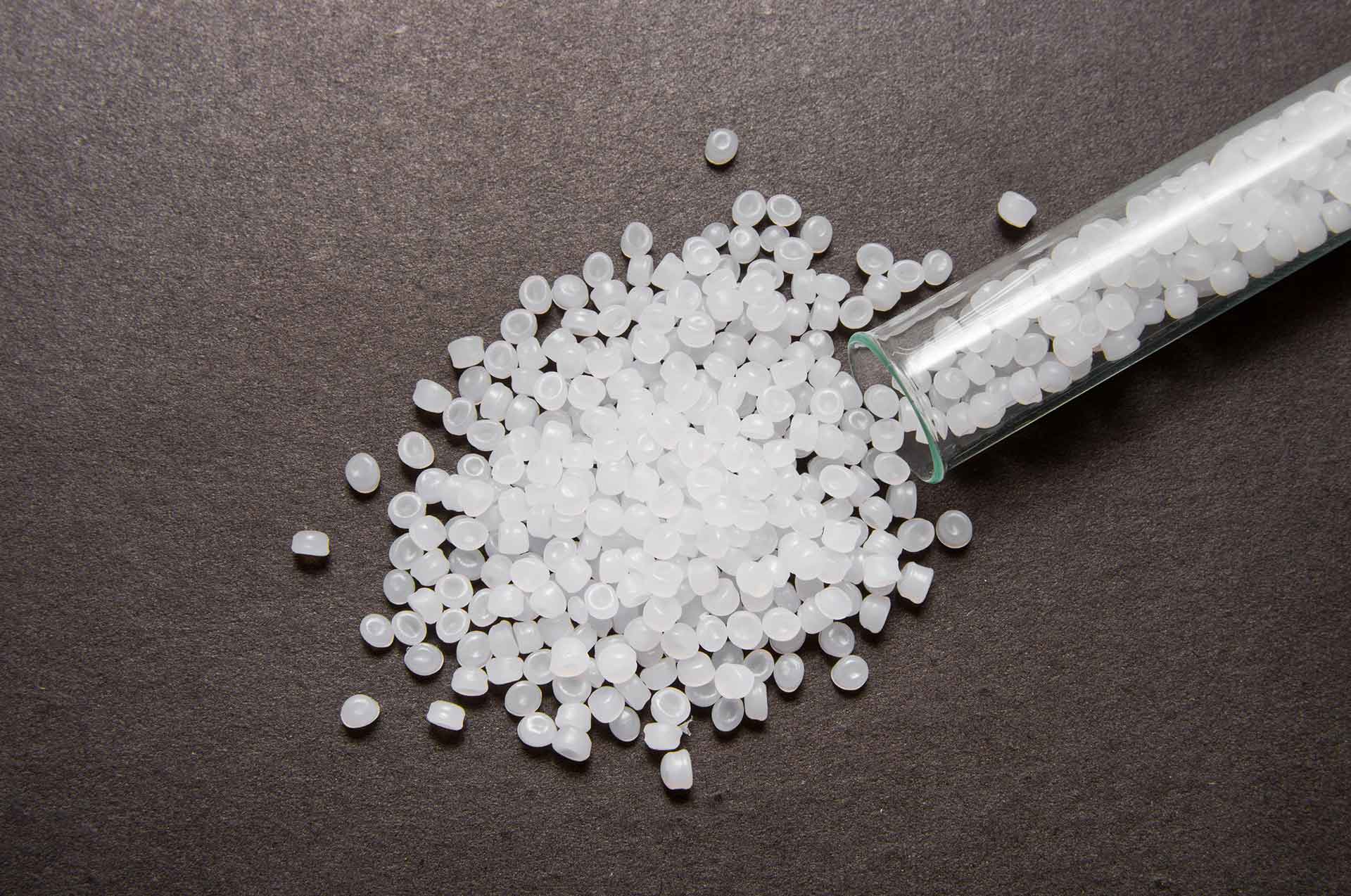
Polyethylene (PE) is one of the most widely used thermoplastic polymers, derived from the polymerization of ethylene. Known for its versatility, chemical resistance, and ease of processing, PE is utilized across numerous industries ranging from packaging and consumer goods to construction and agriculture. The material's properties can vary significantly based on its density and branching, leading to the development of various subgrades each tailored for specific applications.
Subgrades of Polyethylene and Their Applications
1. Low-Density Polyethylene (LDPE)
- Density: 0.910–0.940 g/cm³
- Characteristics: Highly flexible, impact-resistant, good chemical resistance, and translucent.
- Applications:
- Packaging: Plastic bags, shrink wraps, and stretch films.
- Consumer Goods: Squeeze bottles, container lids, and toys.
- Agriculture: Mulch films and irrigation pipes.
- Electrical: Insulation for cables and wires.
2. Linear Low-Density Polyethylene (LLDPE)
- Density: 0.915–0.935 g/cm³
- Characteristics: Higher tensile strength and puncture resistance than LDPE, suitable for films with thinner gauges.
- Applications:
- Packaging: Stretch films, garbage bags, and food packaging.
- Agriculture: Greenhouse films and silage wrap.
- Industrial: Liners for containers and geomembranes.
3. High-Density Polyethylene (HDPE)
- Density: 0.940–0.970 g/cm³
- Characteristics: High strength-to-density ratio, excellent chemical resistance, and rigidity.
- Applications:
- Packaging: Milk jugs, detergent bottles, and food containers.
- Construction: Pipes, fittings, and geomembranes.
- Automotive: Fuel tanks and protective panels.
- Consumer Goods: Toys, crates, and caps.
4. Medium-Density Polyethylene (MDPE)
- Density: 0.926–0.940 g/cm³
- Characteristics: Good shock and drop resistance with moderate density and flexibility.
- Applications:
- Piping: Gas pipes and fittings.
- Packaging: Shrink films and sacks.
- Containers: Industrial drums and water tanks.
5. Ultra-High-Molecular-Weight Polyethylene (UHMWPE)
- Density: 0.930–0.935 g/cm³, but with extremely high molecular weight.
- Characteristics: Exceptional impact resistance, low friction, and high abrasion resistance.
- Applications:
- Industrial: Conveyor belts, wear strips, and liners.
- Medical: Orthopedic implants and artificial joints.
- Safety: Bulletproof vests and helmets.
6. Cross-Linked Polyethylene (PEX or XLPE)
- Characteristics: Enhanced mechanical and thermal properties due to cross-linking.
- Applications:
- Plumbing: Hot and cold water pipes.
- Electrical: Cable insulation.
- Industrial: Chemical storage tanks and heat-resistant applications.
Key Advantages of Polyethylene
- Chemical Resistance: Resistant to acids, bases, and most solvents.
- Moisture Resistance: Low moisture absorption, making it ideal for packaging.
- Electrical Insulation: Excellent insulator, used in wires and cables.
Conclusion
Polyethylene’s diverse range of subgrades and applications highlights its importance across various industries. By selecting the appropriate grade based on density and mechanical properties, manufacturers can optimize performance for specific applications, ensuring durability, cost-effectiveness, and reliability.