Units 155 – 158, 17th Floor, No. 1, Skyport Tower, Hurriyet Blvd., Yakuplu District, Beylikduzu County, Istanbul 34524 - Turkiye (former Turkey)
 TR
TR
 AR
AR
 RU
RU
 FA
FA

Communication methods
Units 155 – 158, 17th Floor, No. 1, Skyport Tower, Hurriyet Blvd., Yakuplu District, Beylikduzu County, Istanbul 34524 - Turkiye (former Turkey)
08504712222
info@adlimgostar.com.tr
Introduction to Urea 46
Urea (CO(NH₂)₂) is the most widely used nitrogen fertilizer worldwide, offering the highest nitrogen concentration among solid fertilizers — typically 46% Nitrogen by weight.
It plays a critical role in modern agriculture by supporting rapid vegetative growth, improving yields, and enhancing crop quality across a wide range of plant species.
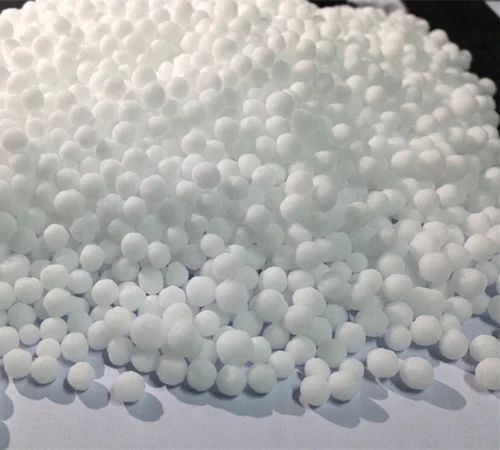
Urea is a white, crystalline organic compound, easily soluble in water, produced synthetically by combining ammonia (NH₃) and carbon dioxide (CO₂) under high pressure and temperature.
Importance and Applications of Urea 46
Thanks to its high nitrogen content, Urea 46 is vital for:
- Field Crops: wheat, corn, barley, rice
- Vegetable Crops: tomatoes, potatoes, cucumbers
- Fruit Trees: citrus, apples, grapes
- Pasture and Forage Crops
- Industrial Applications: adhesive manufacturing, resins, plastics, and even in some DEF (Diesel Exhaust Fluid) systems for NOx reduction
Application Methods:
- Broadcast over fields
- Incorporated into soil
- Fertigation (water-soluble versions)
- Foliar sprays (diluted solutions)
Types of Urea 46
Urea 46 is mainly available in two commercial forms:
|
Type |
Description |
Typical Use |
|
Prilled Urea |
Small, smooth spherical particles (1–2 mm) |
General field applications |
|
Granular Urea |
Larger, harder granules (2–4 mm) with better flowability |
Mechanized spreading |
Differences Between Prilled and Granular Urea
|
Property |
Prilled Urea |
Granular Urea |
|
Size |
Smaller (1–2 mm) |
Larger (2–4 mm) |
|
Hardness |
Softer, more fragile |
Harder, more resistant to crushing |
|
Spreading |
Shorter spread radius |
Longer spread radius (better for large fields) |
|
Dissolution |
Dissolves faster in water |
Dissolves slightly slower |
|
Application |
Suitable for manual or small-area applications |
Ideal for mechanical spreaders |
Technical and Chemical Characteristics
|
Property |
Typical Value |
|
Nitrogen Content (Total N) |
46.0% min |
|
Biuret Content |
≤ 1.0% – 1.5% |
|
Moisture Content |
≤ 0.5% |
|
Free Ammonia (NH₃) |
≤ 160 ppm |
|
pH (10% solution) |
7.0–7.5 |
|
Solubility in Water |
1080 g/L at 20°C |
|
Melting Point |
132–135°C |
|
Bulk Density |
720–770 kg/m³ (Prilled), 740–800 kg/m³ (Granular) |
Physical Properties
- Appearance: White crystals, prills, or granules
- Odor: Odorless
- Hygroscopicity: Moderate (absorbs moisture from air)
- Dust: Minimal in granular, moderate in prilled types
- Flowability: High in granular types due to particle hardness
Storage and Handling
- Store in cool, dry, and well-ventilated areas.
- Avoid direct exposure to humidity and water.
- Use moisture-resistant packaging materials (e.g., laminated PP bags).
- Use anti-caking agents for long-term storage.
Standards and Compliance
Our Urea 46 products are produced and tested according to:
- ISO 9001:2015 Quality Management Standards
- ISO 22241-1 (for automotive DEF-grade Urea)
- FAO Fertilizer Standards
- REACH (Registration, Evaluation, Authorization, and Restriction of Chemicals)
- Local Ministry of Agriculture Fertilizer Regulations
Environmental Responsibility
- Urea applications must be managed properly to minimize nitrogen losses due to volatilization (NH₃ gas release) and leaching (nitrate groundwater pollution).
- Use of urease inhibitors and slow-release formulations can greatly reduce environmental impact.
Why Choose Our UREA 46?
- Guaranteed 46% minimum nitrogen content
- Low biuret levels for crop safety
- High solubility and purity
- Consistent particle size for even spreading
- Eco-friendly production technologies
- Available in prilled, granular, and coated variants